
How a Notary Checks a Property in Malta: Title Searches & Due Diligence

Between signing the Konvenju and collecting your keys, a quiet but crucial phase happens largely out of sight: the notary's due diligence. This is the work that justifies engaging a notary in the first place — the searches and checks that confirm the property is genuinely safe to buy before your money changes hands. This chapter of our step-by-step Buyer's Guide opens up that phase, with notary Dr. Michael Laferla.
The story runs in three acts: what the notary checks, what those checks can uncover, and what happens when a problem is found.
Act 1 — What the notary actually checks
The heart of the notary's job is the searches — an investigation of the seller and the prior owners, worked back through the chain of ownership.
The searches set out to confirm three things: that the seller is the real owner, that they haven't already sold the property to someone else, and that there are no hypothecs, privileges or charges registered against it in favour of third parties. In short, that the property carries no legal issues.
In the clearest cases, the notary confirms this by finding the seller's own deed of acquisition and tracing it forward with no sale to third parties and no charges. The end product is what every buyer is really paying for: a good and certain title — genuine ownership, with nothing legally standing in the way of the transfer. It matters beyond today, too: a clean title now is what lets you sell smoothly in the future.
Act 2 — What the checks can uncover
Most purchases are clean. But the searches exist because some are not — and there are two classes of problem they're designed to surface.
Debts and hypothecs
A property can, in law, be sold even with debts registered against it — but no informed buyer would accept it. The reason is that a hypothec or privilege attaches to the property itself and follows it to the new owner, not just the person who took on the debt. So where the searches find one, the normal course is that it's settled and cancelled before or at the final deed — often out of the sale proceeds — so the property transfers to you clean.
Illegal or unpermitted works
The second class is about the building itself — its structure and its planning permits. This is where a second professional enters the picture.
After the Konvenju, buyers normally engage their own architect to inspect the property — because, importantly, it isn't the notary who checks the permits. That's the architect's job: confirming the property is structurally sound and covered by all the necessary permits. If it isn't, the seller is bound to put it right — and if permits are missing, that means sanctioning or regularising the property, or carrying out works, until it complies with Planning Authority regulations. Two experts, two jobs: the notary owns title, your architect owns permits and structure.
Act 3 — What happens when a problem is found
When the searches reveal a problem, there are two outcomes. Either it's resolved with the involvement of both parties — a debt cleared, a consent obtained, a defect regularised — or, if it can't be resolved, the promise of sale falls through and the purchase doesn't proceed. Because a well-drafted Konvenju is made subject to the property being free of legal issues, this is a protection, not a loss: you aren't forced to complete the purchase of a problem property.
One thing the notary can't do is make the decision for you. A notary cannot stop a sale — the role is to highlight what the searches reveal so you understand the risk, but whether to proceed, resolve, or walk away is always the buyer's call. The notary advises; you decide.
The mistake that costs the most
Ask Dr. Laferla for the single biggest mistake buyers make, and the answer isn't about the searches at all — it's about money.
The mistake is signing a promise of sale without first checking with your bank that you're in a financial position to buy. Signing before your home loan is formally approved is perfectly normal — the subject-to-loan clause protects your deposit if the loan is refused. But signing without having gone to the bank at all is committing blind. And here's the sting: even though that clause returns your deposit, the notary, architect and other professional fees you've already run up are not refunded. Due diligence protects you from the property's problems; this is the discipline that protects you from your own. Our guide to getting a home loan in Malta covers how to check your position before you sign.
The due-diligence checklist
- Confirm your notary has begun the searches (and has the seller's deed of acquisition to work from)
- Engage your own architect to check structure and permits after signing
- Expect any debts or hypothecs to be cleared before or at the final deed
- Make sure the Konvenju is subject to clean title, permits and structure
- Speak to your bank about affordability before you commit — not after
How Yitaku helps
Due diligence is the notary's craft — the tools around it are Yitaku's. The Knowledge Hub carries Dr. Laferla's expert answers on every check in the process, you can plan your borrowing with the Home Loan Calculator before you sign, and request insurance quotes in-app. Download the Yitaku app to keep the whole journey in one place.
Frequently asked questions
What does the notary actually check?
That the seller is the true owner, that the property hasn't already been sold to someone else, and that there are no hypothecs, privileges or charges registered against it — in short, that it carries no legal issues and can pass good title to you.
Does the notary check the permits?
No — that's the buyer's architect's job. The notary handles title and the searches; the architect confirms the property is structurally sound and covered by all the necessary permits.
What happens if a problem is found?
It's either resolved with the involvement of both parties, or, if it can't be resolved, the promise of sale falls through — protecting you from completing the purchase of a problem property. The notary highlights the issue, but the decision to proceed is always yours.
Can a property be sold with debts on it?
Legally yes, but no informed buyer accepts it, because the debt attaches to the property and follows it to the new owner. Registered charges are normally cleared before or at the final deed.
Deep-dive references
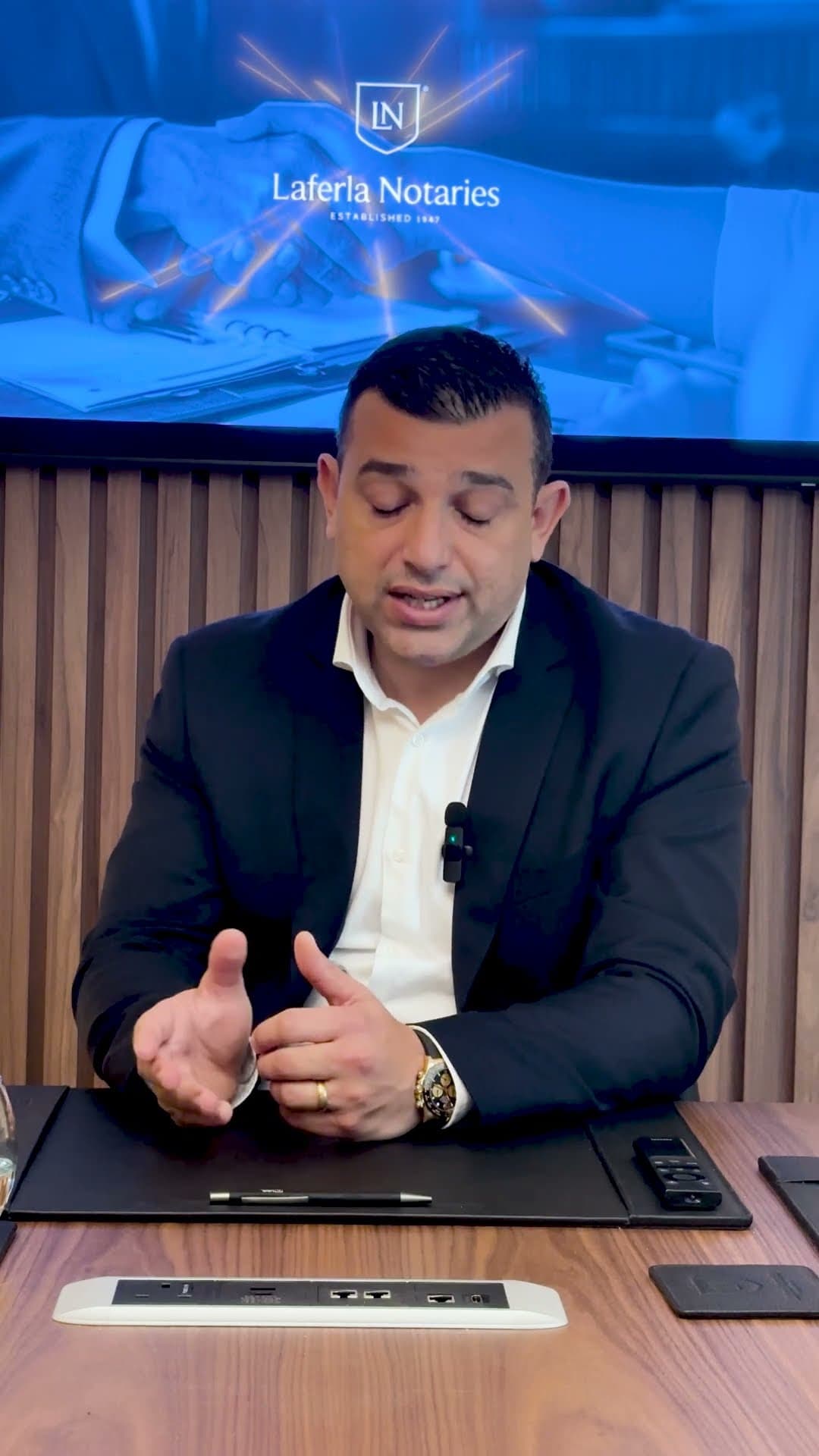 Yitaku Asks
What does a notary check before you buy a property in Malta?
Dr. Michael Laferla · Notary
Procedures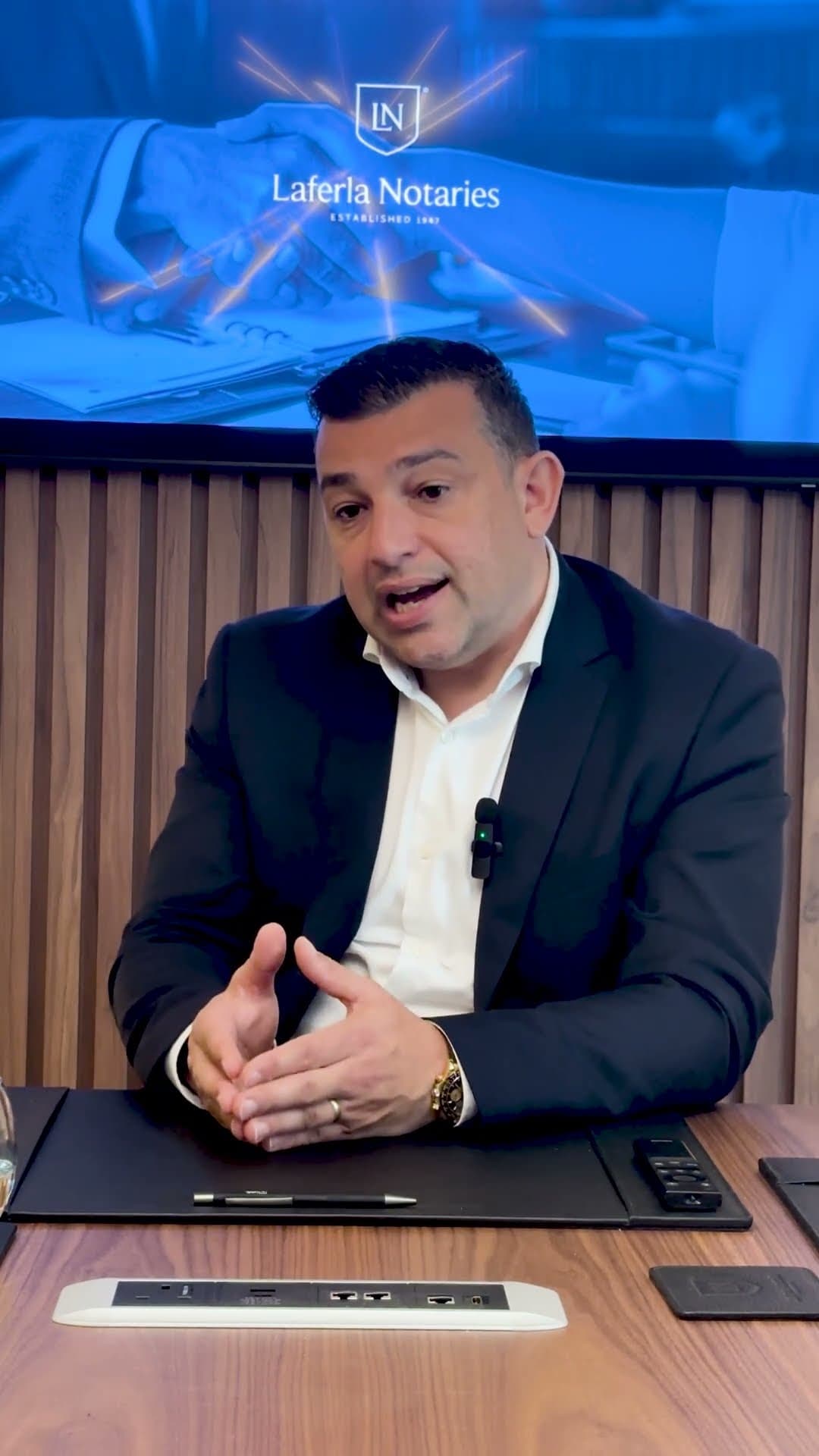 Yitaku Asks
What does “good title” mean when buying property in Malta?
Dr. Michael Laferla · Notary
Procedures Yitaku Asks
Can a property carry debts or hypothecs in Malta?
Dr. Michael Laferla · Notary
Procedures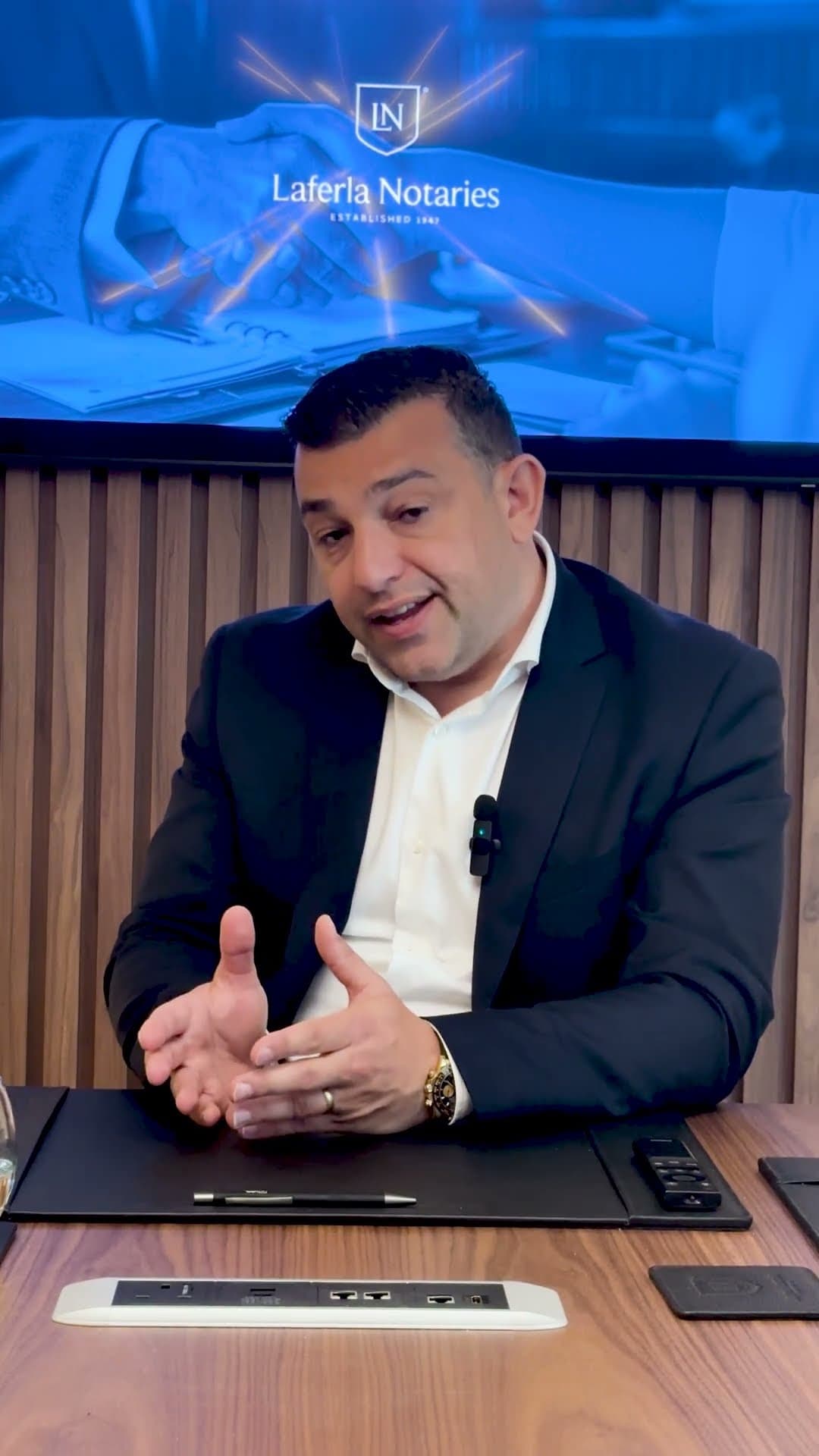 Yitaku Asks
What happens if a property has illegal works in Malta?
Dr. Michael Laferla · Notary
Procedures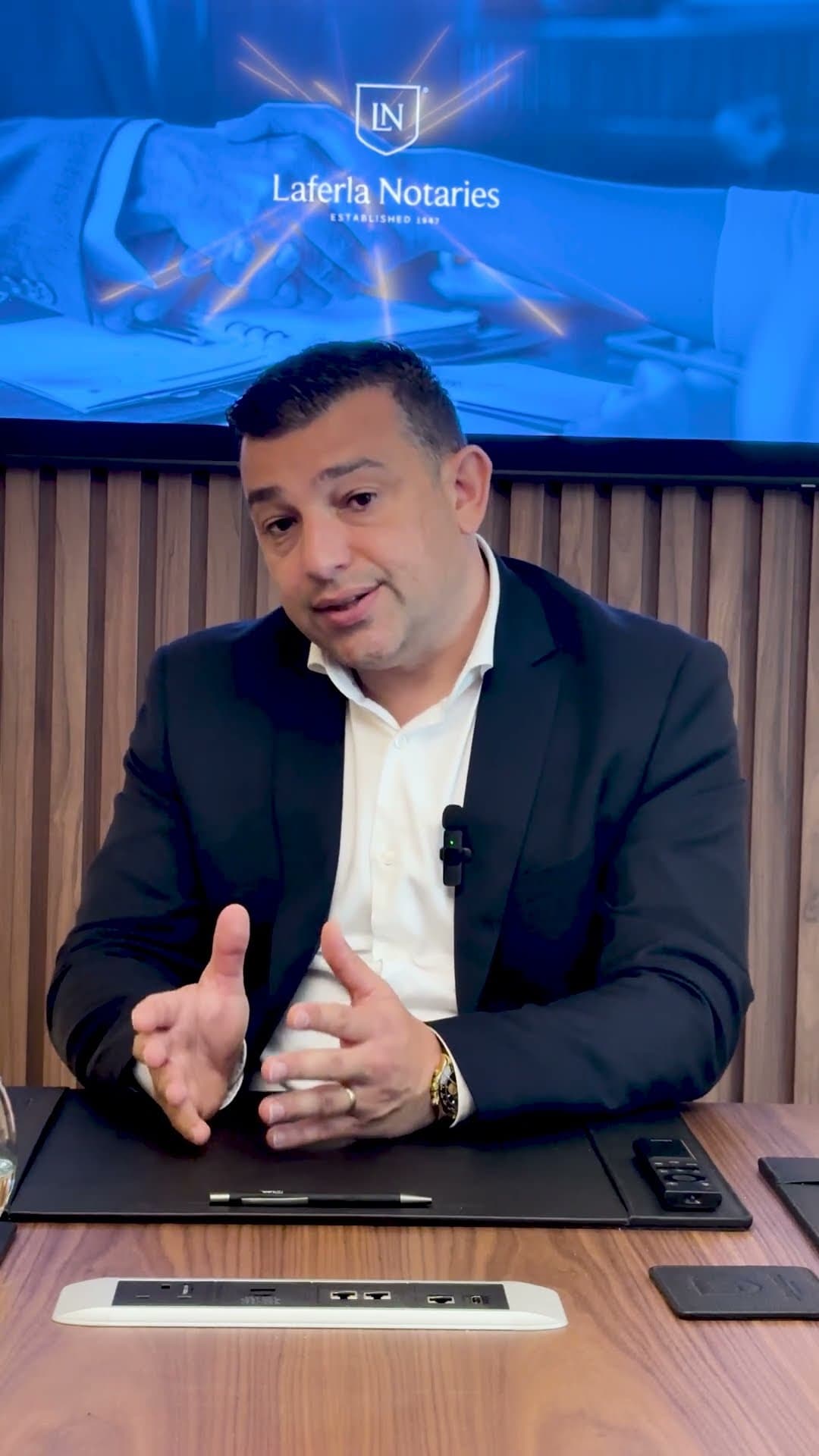 Yitaku Asks
What hidden legal issues can come up when buying property in Malta?
Dr. Michael Laferla · Notary
Procedures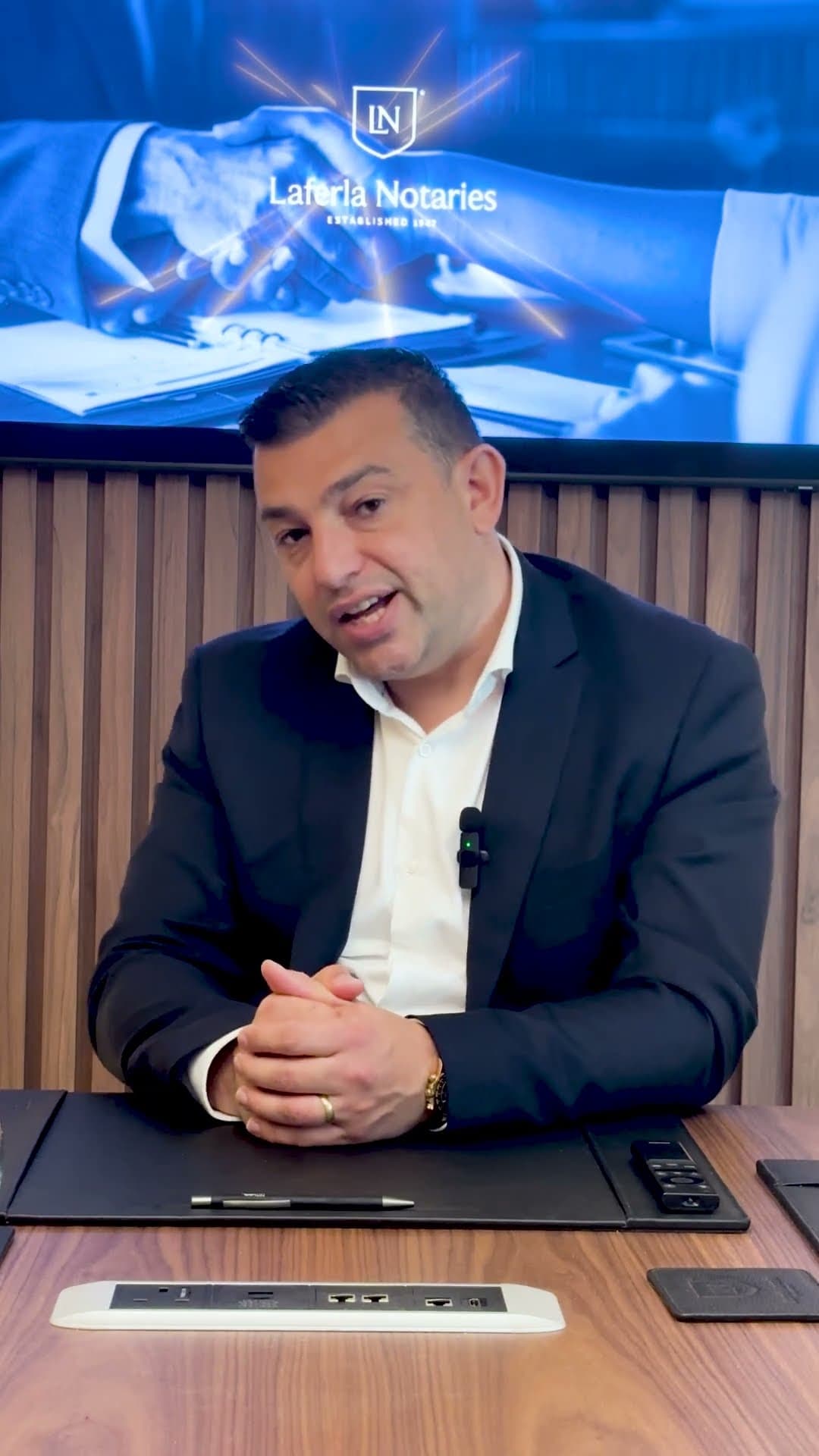 Yitaku Asks
What is the biggest legal mistake property buyers make in Malta?
Dr. Michael Laferla · Notary
Procedures