
What happens if a property has illegal works in Malta?
 Dr. Michael LaferlaNotary · Notary, Notarial Council of Malta
After the Konvenju is signed, the buyer normally has their own architect inspect the property — to confirm it's structurally sound and covered by all the necessary permits. If the architect finds a problem with the permits or the structure, the seller is bound to put it right: to sanction or regularise the property, or carry out whatever works are needed, so it complies before the final deed.
The architect's inspection after signing
As Dr. Laferla explains, "after the signing of a promise of sale, the purchasers normally ask their architect to view the property to see that it is structurally sound [and] covered with all the necessary permits." This is separate from the notary's title work — it is about the physical and planning status of the building.
If a problem is found, the seller must put it right
Where the architect finds an issue "when it comes to permits or structure," Dr. Laferla says "the vendor would be bound to either regularise or sanction the said property, or do whatever is necessary to have that property covered with the… necessary permits." Curing the defect is the seller's responsibility, not the buyer's.
How this is secured
This protection comes from the Konvenju. A well-drafted promise of sale is made subject to an architect's report confirming permits and structure — so if the property doesn't check out, the obligation to fix it (or the buyer's right to withdraw) is built in. Sanctioning and regularisation are handled through the Planning Authority under Malta's planning laws.
Sources
- Dr. Michael Laferla — Yitaku Asks video (architect's inspection; vendor bound to regularise/sanction)
- Development Planning Act, Chapter 552 — sanctioning and regularisation of works via the Planning Authority
- Civil Code of Malta, Chapter 16 — Article 1357 (conditions in the promise of sale)
- Maltese practice — the architect's (perit's) report clause in the promise of sale
Related
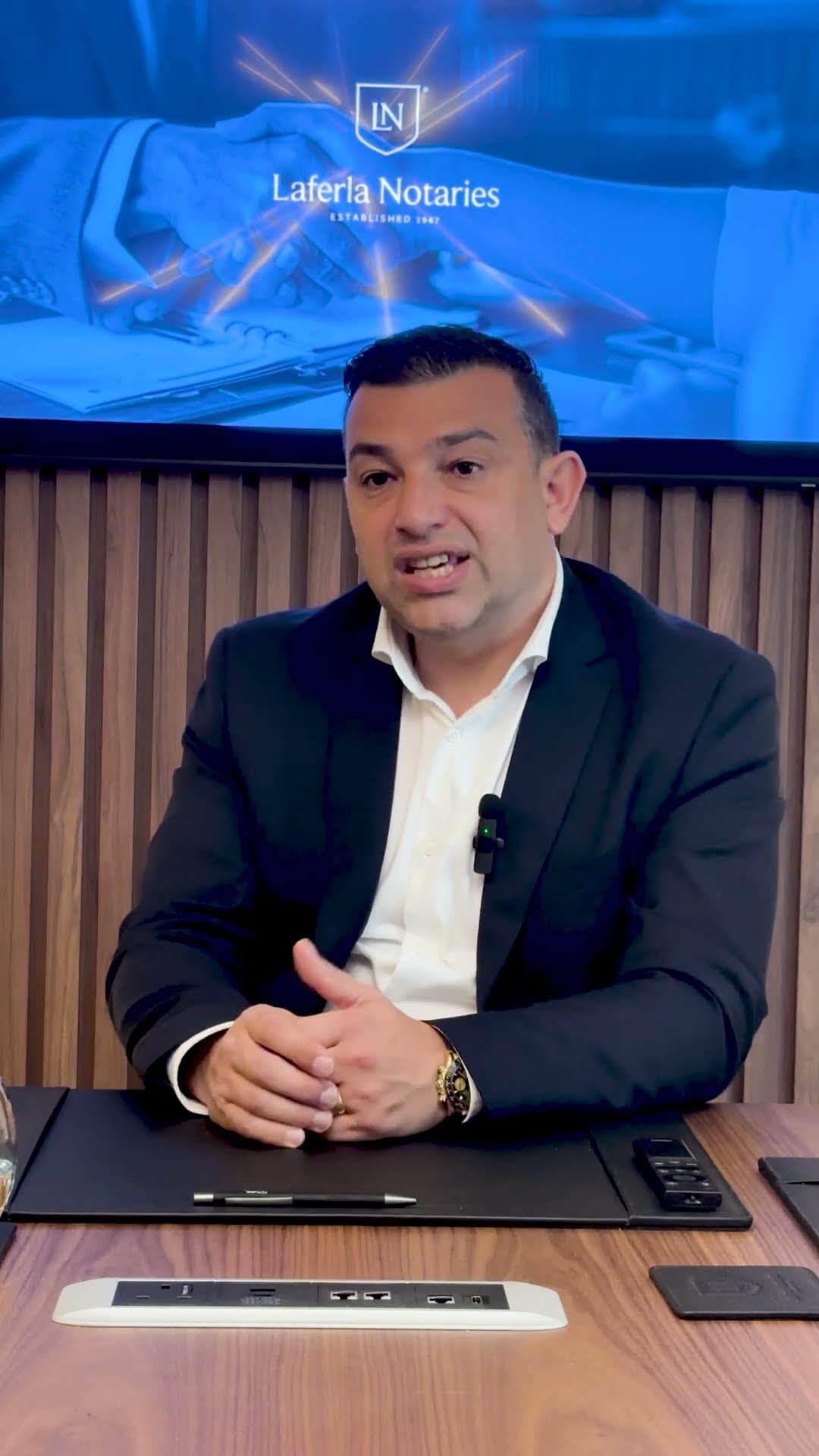 Yitaku Asks
Who checks a property's permits when you buy in Malta?
Dr. Michael Laferla · Notary
Procedures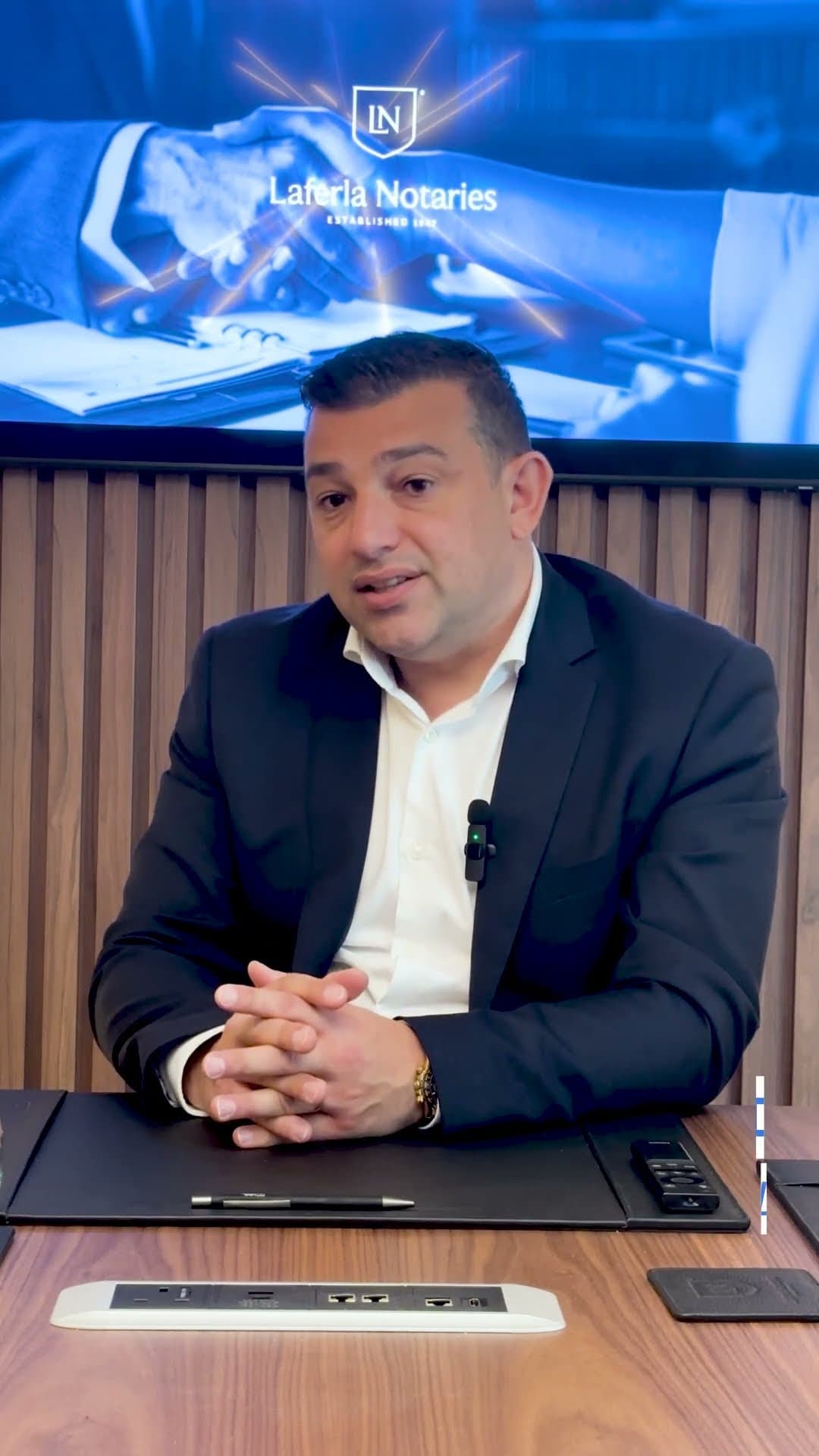 Yitaku Asks
What if a property's permits are missing in Malta?
Dr. Michael Laferla · Notary
Procedures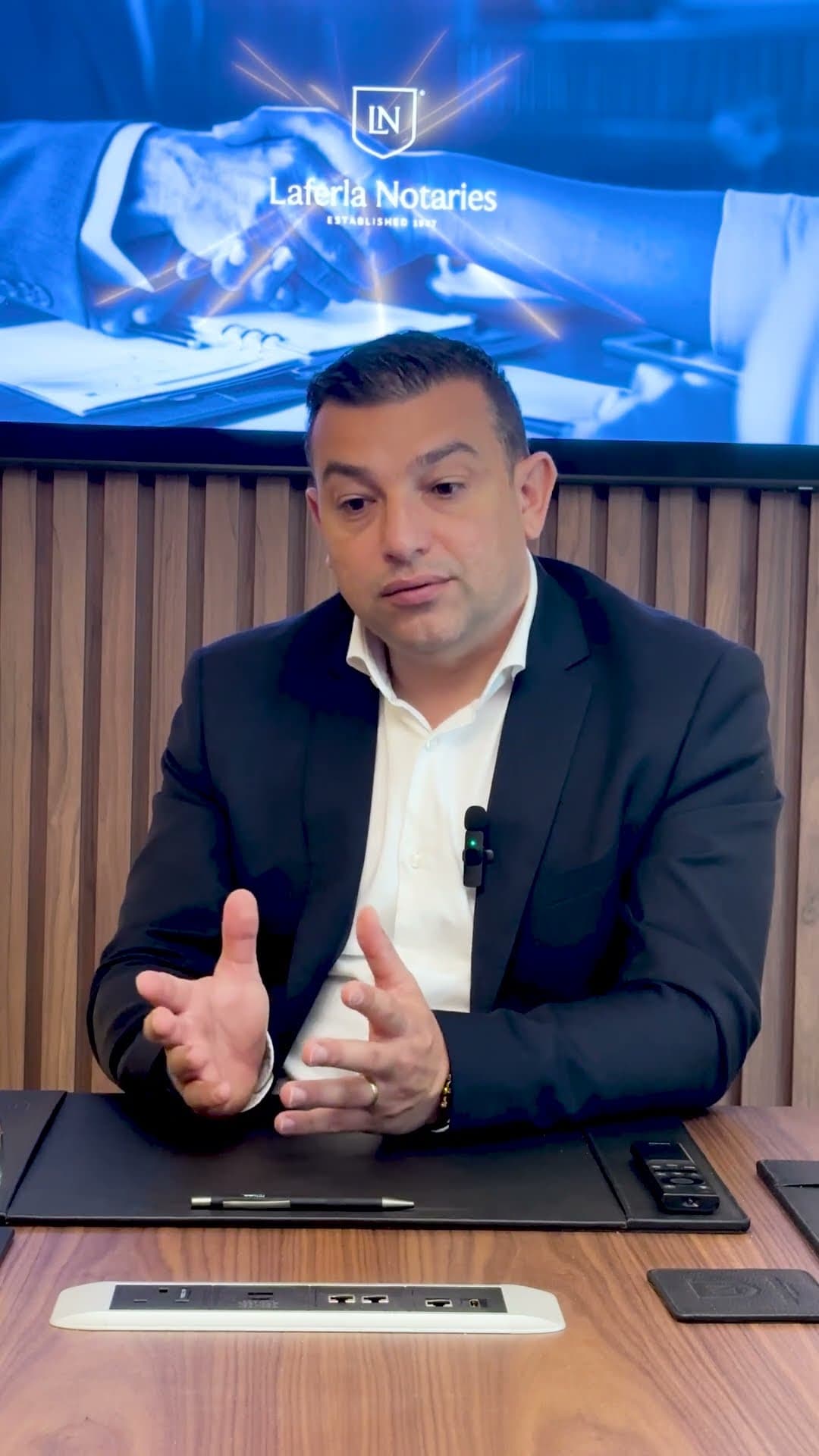 Yitaku Asks
What clauses should be in your Konvenju in Malta?
Dr. Michael Laferla · Notary
Buying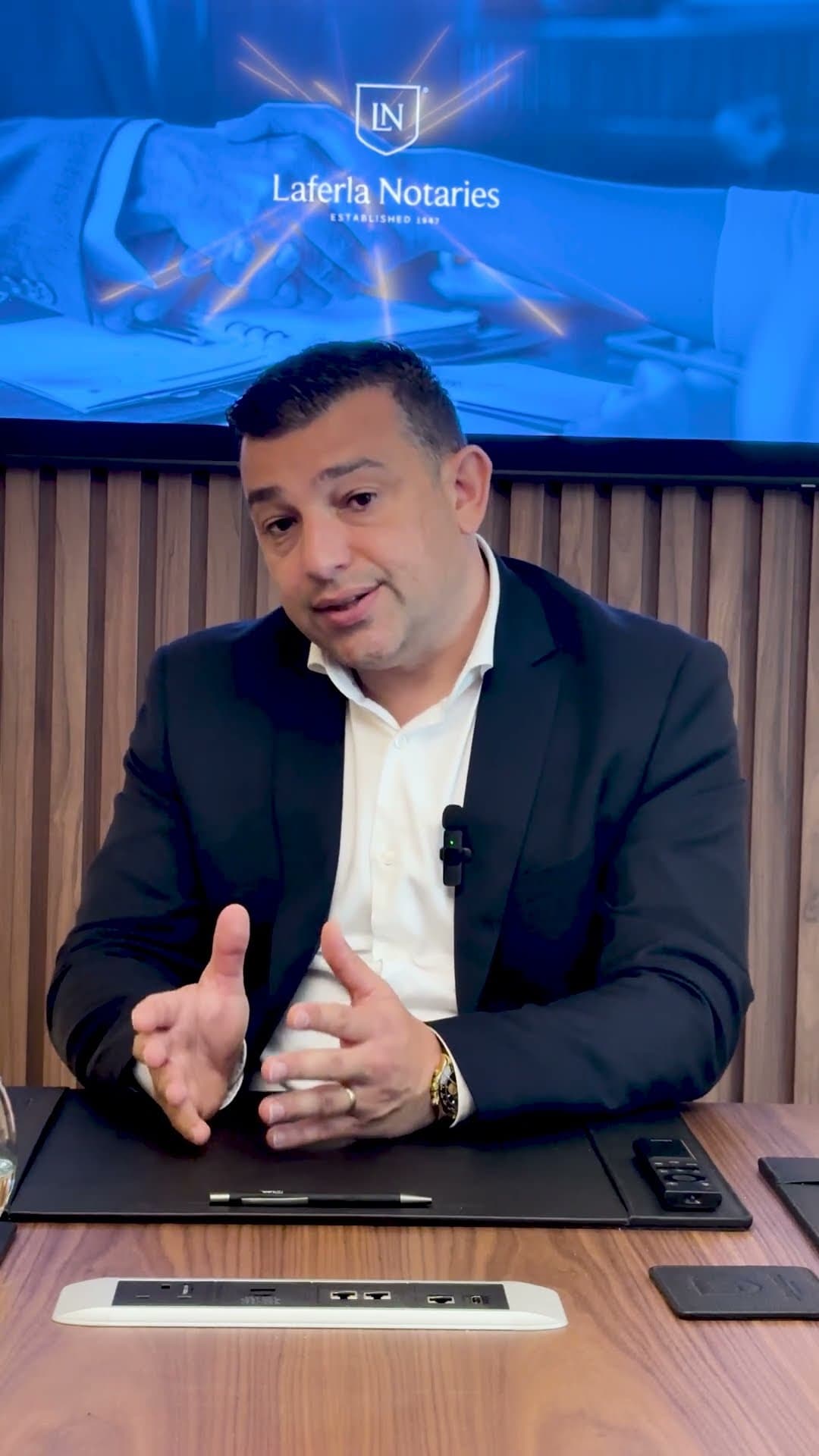 Yitaku Asks
What hidden legal issues can come up when buying property in Malta?
Dr. Michael Laferla · Notary
Procedures Yitaku Asks
What are the most common defects in Maltese buildings?
Perit Matthew James Mercieca · Architect & Civil Engineer
Building & Design