
What should buyers be suspicious of during a property viewing?
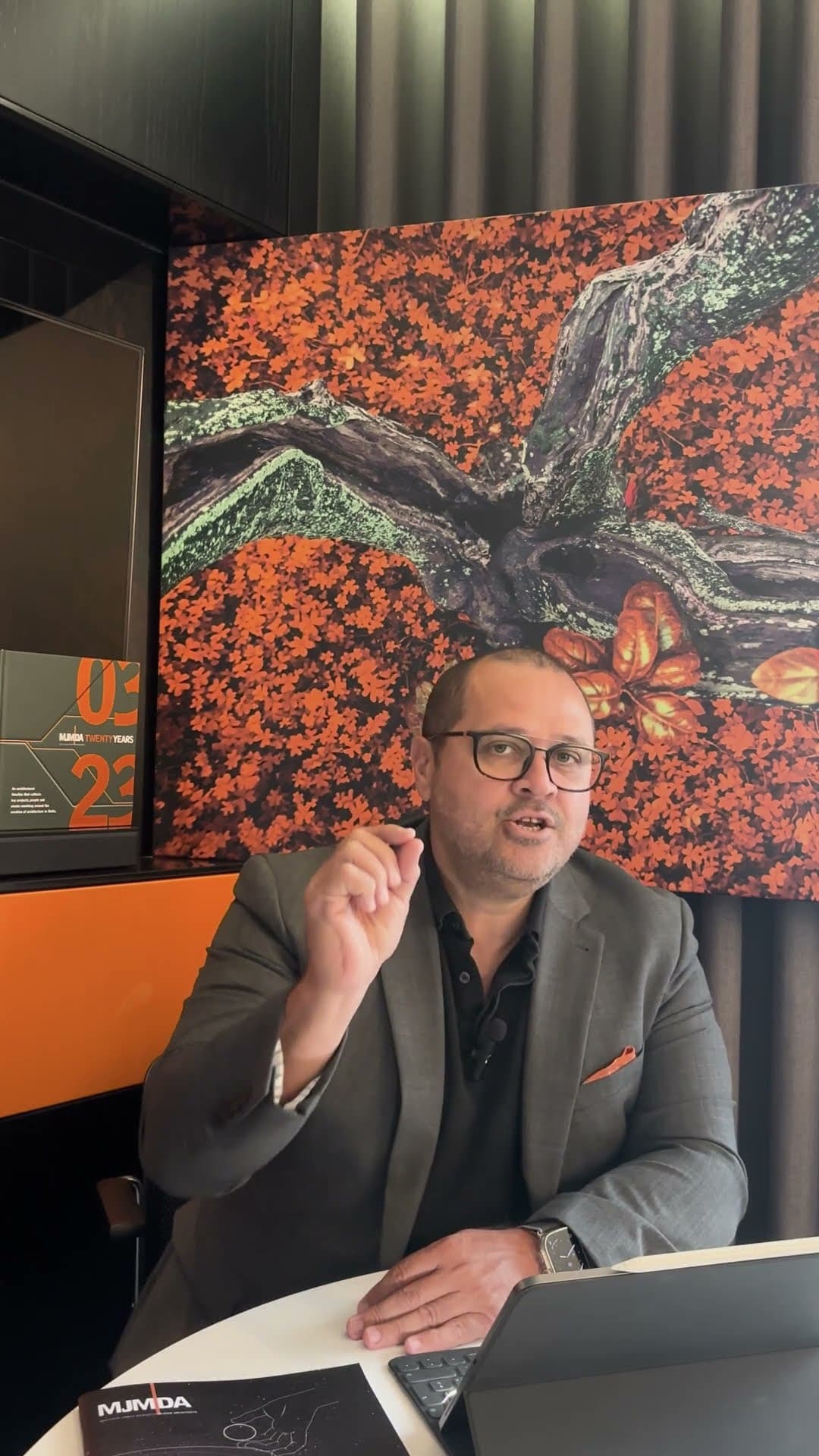
 Perit Matthew James MerciecaArchitect & Civil Engineer
The unknowns — so ask. Who was the architect, the structural engineer, the contractors? Where are the design drawings, the electrical and plumbing drawings, the contract documentation? Be suspicious when there are no answers: it isn't proof of a problem, but where no process and no professionals got the property there, more likely than not something done in a suboptimal way is being hidden.
Lots of unknowns — so ask
Matthew's answer to what buyers should be suspicious of starts with the condition that makes suspicion reasonable: "Lots of unknowns. When visiting a property, ask questions." A viewing hands you a finished surface and no account of how it got there. The unknowns are the default state — you have to actively dispel them.
The questions
His list is specific, and it divides into people and paper:
- Who was the architect?
- Who was the structural engineer?
- Who were the contractors?
- Where are the design drawings?
- Where is the contract documentation that made the conversion possible?
- Where are the electrical drawings, the plumbing drawings?
Notice what these questions are not. None of them ask about the building's condition — you cannot see behind a wall, and Matthew is not asking you to. They ask whether there was a process, and whether it left a trace.
Be suspicious of silence
"Be suspicious if there are no answers." The answer you are testing for is not a good one. It is any one at all. A property whose owner can name the perit and produce the drawings is a property with a documented history, whatever that history says.
What no answers usually means
He is careful with the inference, and the hedge is his: "If there isn't a process that got the property there, or if there weren't professionals involved — more likely, it's not a must, but more likely than not, things that have been done in a suboptimal way and not in a professional way are being hidden away."
Not a certainty. A probability, and a strong one. Absent paperwork is not proof of a bad building; it is the removal of your only evidence that it is a good one.
Nobody else is asking this for you
This is the question that makes the whole thing matter, and the answer is in the notary's own words. As Dr. Laferla explains, it isn't the notary who checks a property's permits — the notary handles title and the searches, and confirming the building is covered by its permits is the architect's role. So at a viewing, before you have engaged anybody, nobody in the process is examining the building on your behalf. Matthew's questions are what you have instead.
The formal check comes later: after the Konvenju, the buyer's own architect inspects the property, and if the permits are missing it has to be sanctioned or regularised before the sale completes. Asking at the viewing is how you find out whether you are walking into that before you have signed anything.
Sources
- Perit Matthew James Mercieca — Yitaku Asks video (Architect Series, Cluster 1) — lots of unknowns; who was the architect, structural engineer, contractors; design, electrical and plumbing drawings; contract documentation; be suspicious if there are no answers
- Dr. Michael Laferla — Yitaku Asks video (the notary handles title and searches; permits are the buyer's architect's role)
- Development Planning Act, Chapter 552 — sanctioning and regularisation of works via the Planning Authority
Related
 Yitaku Asks
What should you look for in a property before you sign anything?
Perit Matthew James Mercieca · Architect & Civil Engineer
Building & Design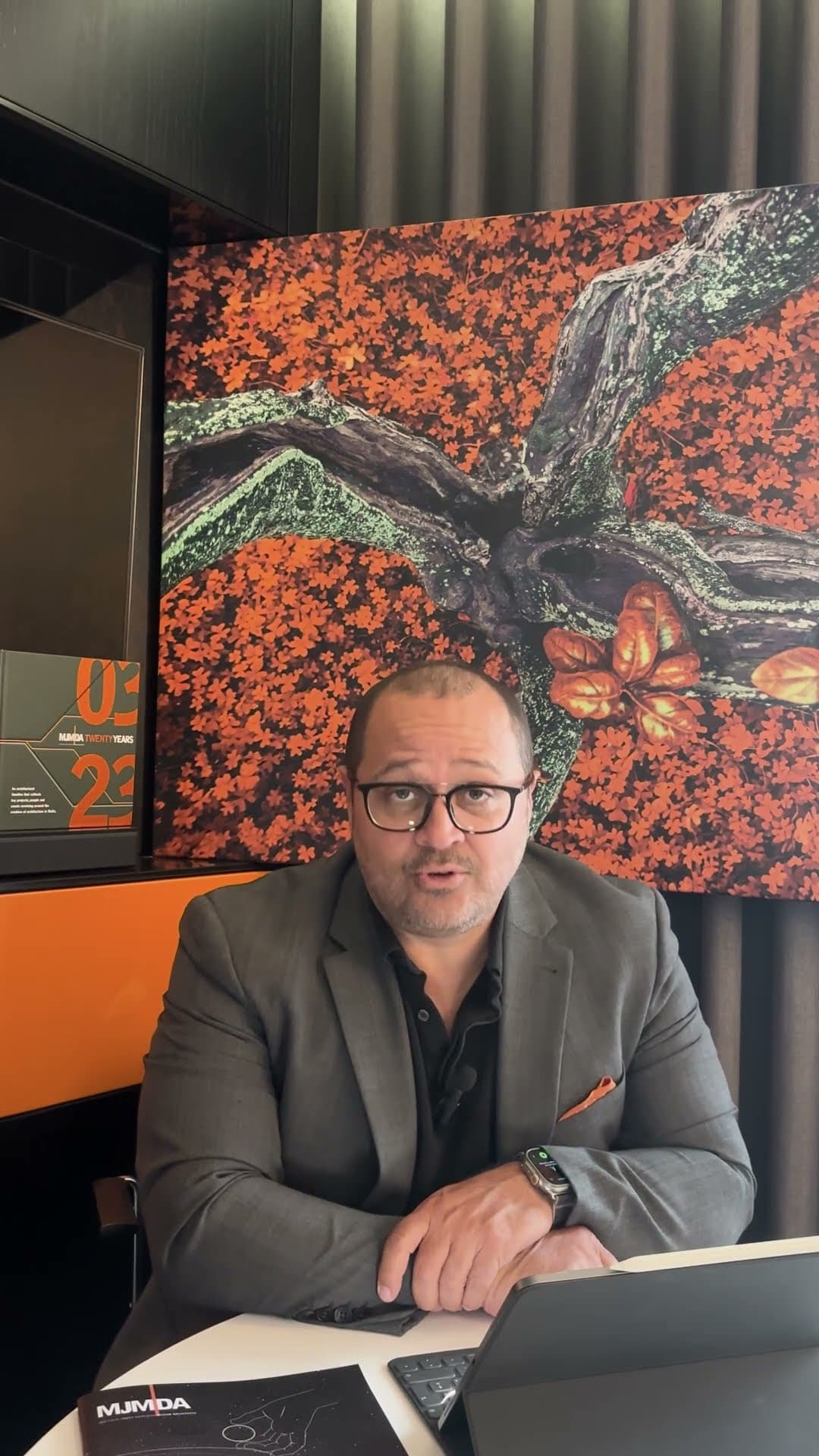 Yitaku Asks
What are the most common defects in Maltese buildings?
Perit Matthew James Mercieca · Architect & Civil Engineer
Building & Design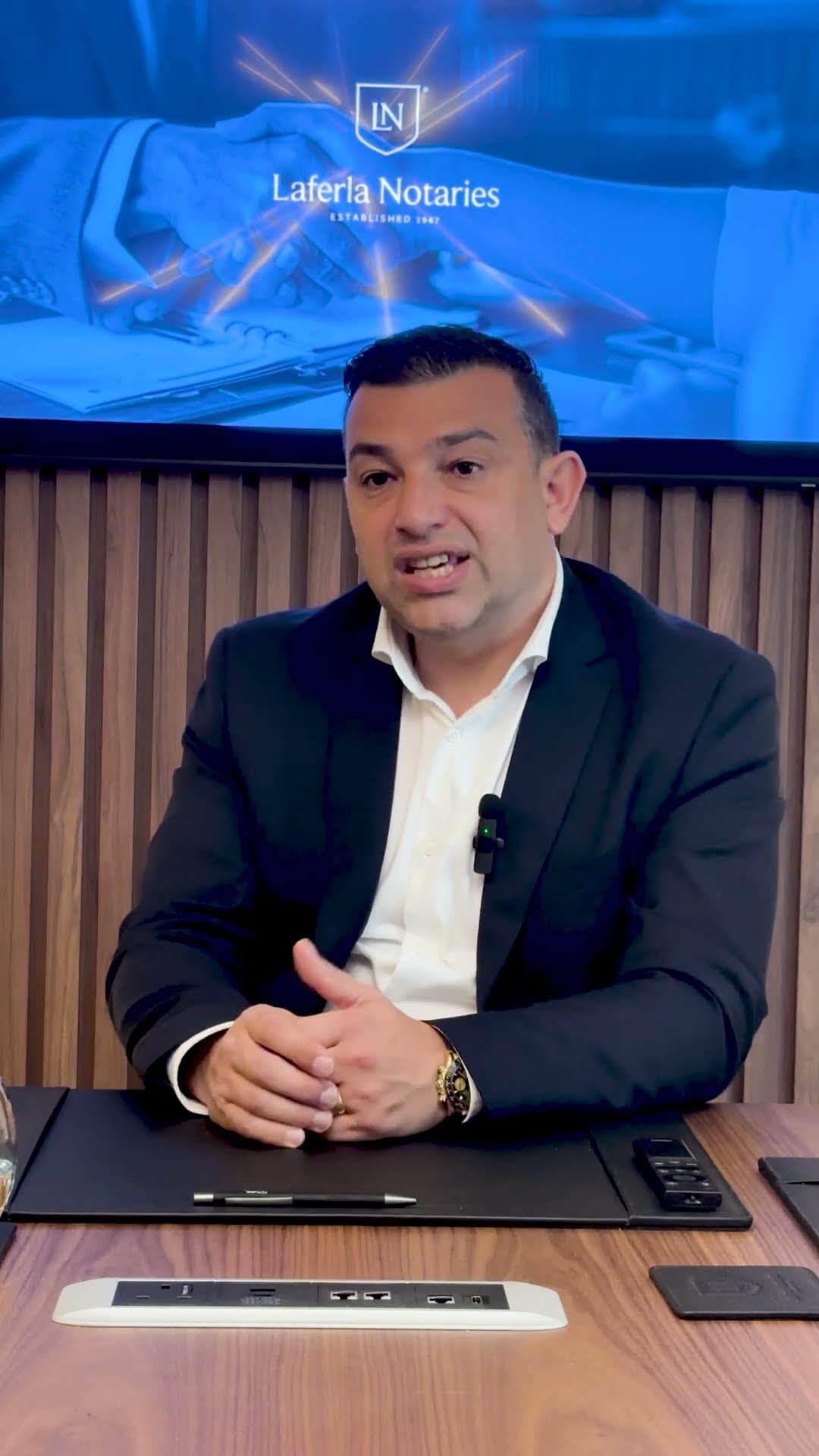 Yitaku Asks
Who checks a property's permits when you buy in Malta?
Dr. Michael Laferla · Notary
Procedures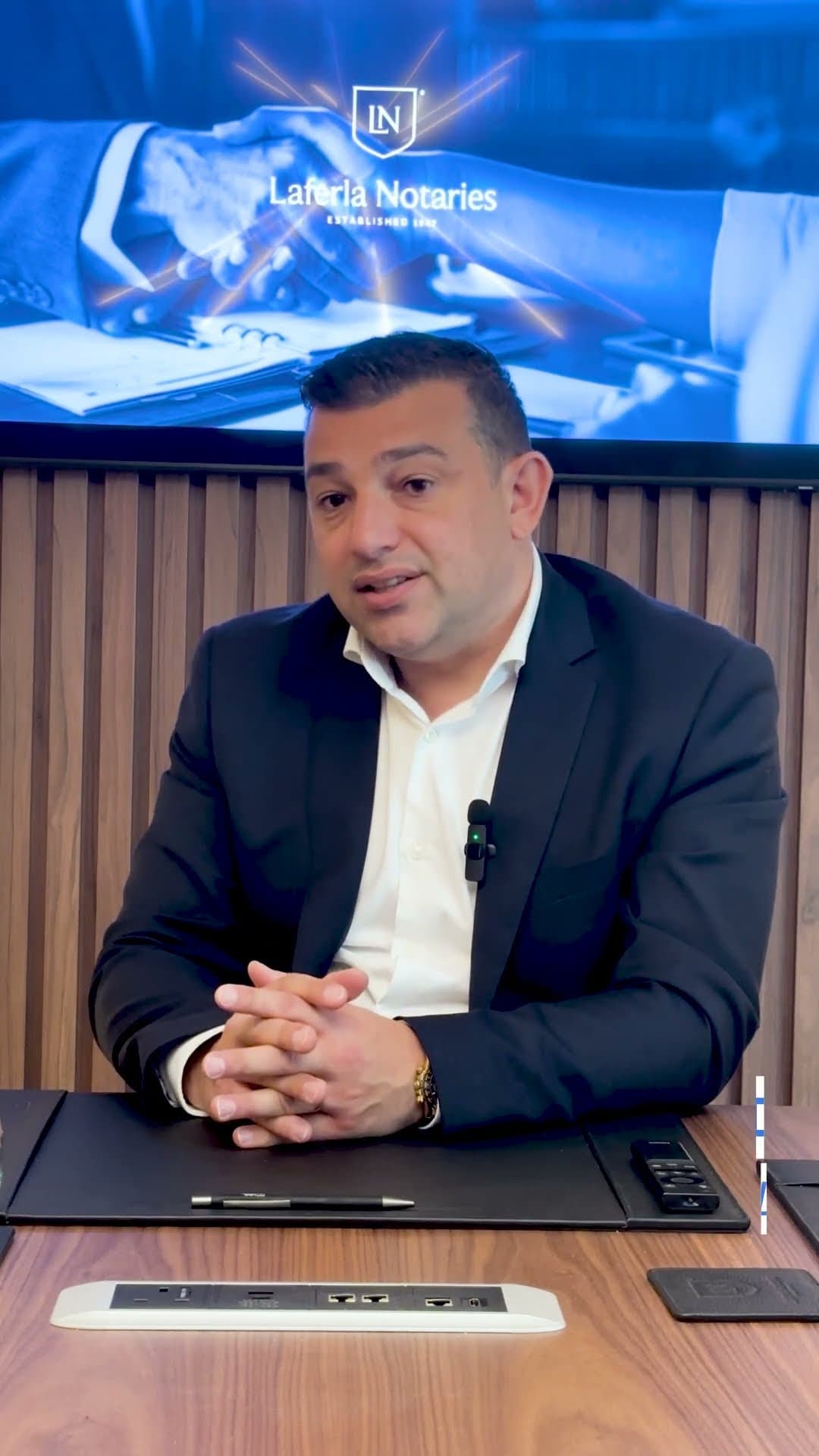 Yitaku Asks
What if a property's permits are missing in Malta?
Dr. Michael Laferla · Notary
Procedures Yitaku Asks
What does an architect see in a property that a buyer misses?
Perit Matthew James Mercieca · Architect & Civil Engineer
Building & Design Yitaku Asks
How do you budget for a renovation?
Perit Matthew James Mercieca · Architect & Civil Engineer
Building & Design