
How to View a Property in Malta: What an Architect Sees

A property you view could have been tidied, staged and lit to show at its best, and you will get perhaps thirty minutes inside it. None of that is necessarily anyone's doing. An owner can live with something for years without ever registering it as a problem, and an estate agent can only pass on what they have been told — neither has to be hiding anything for a buyer to still need to look properly. But it does mean nobody in the room is examining the building on your behalf: the notary's work is the title rather than the structure, and that comes later in any case. The buyer is the one who has to be on the alert, at exactly the point where the most expensive decision of the purchase gets made. Search listings on Yitaku and you can line up as many viewings as you like; what follows is how to use them.
We asked Perit Matthew James Mercieca from MJM|DA — architect, civil engineer, and the practice's founder — what he sees that a buyer misses. His answers are less about cracks and damp than you would expect, and more about the gap between the place as presented and the place as you would live in it.
What you are actually there to do
Ask an architect what he reads in the first thirty seconds and the answer is three things, in order: age, condition, and the gap to finish. They are not a checklist of features. Each one narrows the next.
- Age — sets the envelope of what can be done to the building at all. "The age is going to influence what kind of structural interventions can happen." It is not charm.
- Condition — the distance between where the building is and where it has to be to be sound and weathertight: "how many works are required in order to get to the right structural and closed state." Every home has to reach it — this part is not about you yet.
- The gap to finish — "what's missing to satisfy the user needs." Only here does the property become yours specifically, and it is the one buyers never price.
First, take the staging out of the picture
Matthew's advice to buyers before they sign anything starts with a warning about your own eyes: "do not get taken over by just what you're seeing and how the property is being presented". What you are standing in may be a version of the space — dressed, lit, and seen at one hour of one day. That is not the same thing as the space itself, and the difference is not something anyone has to be concealing from you.
His correction is to stop assessing the property on its own terms and start assessing it on yours: "include yourself into the property, your lifestyle, and see what is missing." Not whether the room is attractive — whether it holds what your life actually puts in it.
Then comes the step almost everyone skips. "Cost what is missing and include that in the decision." The gap between the property as shown and the property as you would need it is not an abstraction; it has a number. Until that number sits next to the asking price, you have not seen the real price. Asked what buyers miss most often, his answer is exactly this: "not viewing the big picture."
What actually goes wrong in Maltese buildings
There is one defect that comes up more than any other, and the reason for it is the climate. "We live in a sunny country so we do not give enough attention to rain." The most common defect Matthew sees is waterproofing — on roofs, at apertures and round apertures.
Two of those three are the same place. An aperture — Maltese for any opening in the building's envelope, window or door, with its frame and glazing — and the junction where it meets the wall around it. That junction is where two materials and two trades meet, and it is the point water exploits.
It rarely stays a small problem. "Those defects cause structural damage, cause architectural finishes damage." By the time you see a stained ceiling, you are seeing the symptom; the failure happened somewhere else, earlier, and cheaper to fix. It is also half of what a buyer's architect is checking for once you have signed.
Why some homes feel right and others never do
Two apartments in the same block, same era, same construction — and one feels right the moment you walk in while the other never does. Matthew's explanation is not about finishes. It is a single question: "is the human placed at the center of that property?"
That asks whether the physiological and psychological needs are catered for, and whether the place was designed for the experience of living in it — which comes down to concrete things: "is there the right lighting, flow and functionality?" Where the light falls and when, how you move between rooms, whether the space does the job the room is named after. Trust your reaction. A property without those considerations "is going to obviously feel off at the outset" — you register it before you can put it into words. That feeling is data.
It is also why the listing photographs can mislead. A property that photographs well does not necessarily live well — the reverse is far more reliable — and the mistake that most often ruins a home is designing it for the camera in the first place.
The questions nobody will ask for you
Here is the part buyers rarely realise. At a viewing, before you have engaged anybody, nobody in the process is examining the building on your behalf. As notary Dr. Michael Laferla puts it, it isn't the notary who checks a property's permits — the notary handles title and the searches, and the building is the architect's territory. That check happens after you sign, which is why whether you need an architect is worth settling early. At the viewing itself, there is only you.
So ask. Matthew's list is specific, and it divides into people and paper:
- Who was the architect?
- Who was the structural engineer?
- Who were the contractors?
- Where are the design drawings?
- Where is the contract documentation that made the conversion possible?
- Where are the electrical drawings, the plumbing drawings?
Notice what these are not. None of them asks you to assess the building's condition — you cannot see behind a wall, and he is not asking you to. They ask whether there was a process, and whether it left a trace.
"Be suspicious if there are no answers." The answer you are testing for is not a good one; it is any one at all. And he is careful with the inference, so we will be too: "more likely, it's not a must, but more likely than not, things that have been done in a suboptimal way and not in a professional way are being hidden away."
Read that carefully, because it is not an accusation. A property may have changed hands three times in forty years, and the person selling it to you may never have met the perit who worked on it. An agent can only relay what the owner has told them. Absent paperwork is not proof of a bad building, and it is not proof of anybody hiding anything — it is simply the removal of your only evidence that the building is a good one. That is a reason to ask more questions, not to assume the worst of the people answering them.
One thing worth knowing if you do get a name. In Malta the architect is a perit — a single warranted profession covering both architecture and civil engineering — and the warrant is public. You can check it yourself, free, on the register at peritiwarrant.gov.mt.
The mistake that costs the most
Ask Matthew for the most expensive mistake buyers make and the answer is not about picking the wrong property. It is about sequence: "prioritizing your needs, not the suggestions of others as to what should come next".
His example is the one buyers hear constantly. "When we are told by some stakeholders the permit is next, they suggest what the next apparent step is. In fact the right step is stepping back, defining what you want, and then starting with a good design." The apparent next step is always the procedural one, because procedure is what the people around you administer. But a permit is permission to build something, and deciding what that something is comes first.
There is a legal counterpart from the other side of the transaction. Dr. Laferla's biggest legal mistake buyers make is committing to a promise of sale without first checking with the bank whether you can afford to. Same shape, different lens: establish your own position before the process starts carrying you.
The viewing checklist
- View more than once, at different times of day — light and noise change, and both are why a home feels the way it does.
- Put your own life into the room. What is missing for the way you actually live?
- Cost what is missing, and put that number next to the asking price.
- Look at the roof and at every aperture — the junctions where openings meet the wall are where Maltese buildings most often leak.
- Ask who the architect, engineer and contractors were, and ask to see the drawings — treating missing answers as a reason for more questions, not as proof of a problem.
- Decide what you want before anyone tells you what comes next.
How Yitaku helps
The viewing is yours to do — the tools around it are ours. Work out what you can comfortably borrow before you fall for something, search listings from owners, agents and developers in one place and set alerts so you don't miss a match, and follow the whole purchase end to end in our step-by-step guide to buying property in Malta.
Deep-dive references
 Yitaku Asks
What should you look for in a property before you sign anything?
Perit Matthew James Mercieca · Architect & Civil Engineer
Building & Design Yitaku Asks
What does an architect see in a property that a buyer misses?
Perit Matthew James Mercieca · Architect & Civil Engineer
Building & Design Yitaku Asks
What are the most common defects in Maltese buildings?
Perit Matthew James Mercieca · Architect & Civil Engineer
Building & Design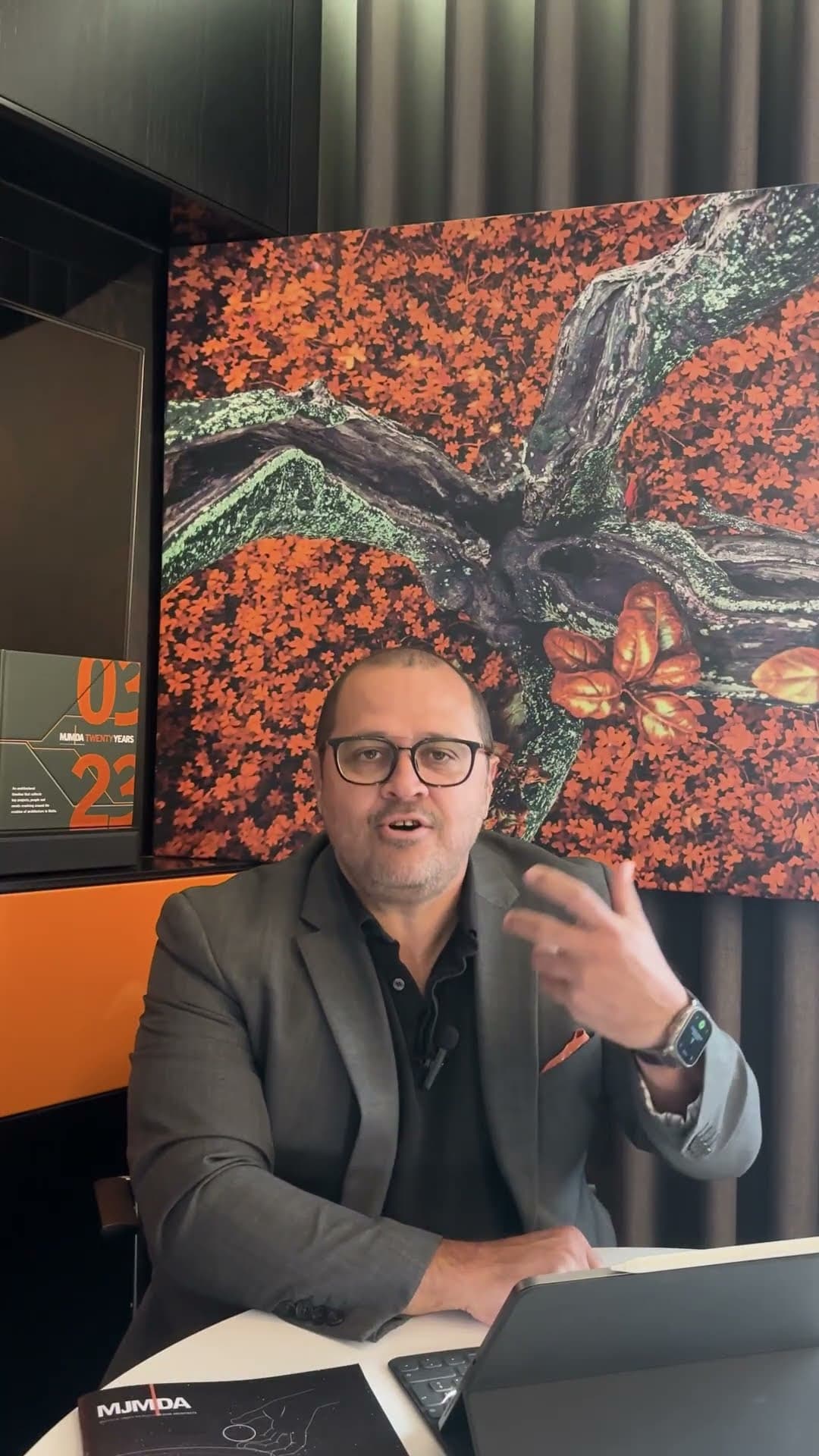 Yitaku Asks
Why do two apartments in the same building feel completely different?
Perit Matthew James Mercieca · Architect & Civil Engineer
Building & Design Yitaku Asks
What should buyers be suspicious of during a property viewing?
Perit Matthew James Mercieca · Architect & Civil Engineer
Building & DesignDo I need an architect when buying property in Malta?
Dr. Michael Laferla · Notary
Building & Design