
What does an architect do when you buy a property in Malta?
 Perit Matthew James MerciecaArchitect & Civil Engineer
With contributions from

The architect — in Malta, the perit — examines the building itself, while the notary examines the title. For most buyers that means three jobs: valuing the property for your bank, confirming it's structurally sound, and confirming it's covered by the planning permits it needs. In Malta architecture and civil engineering are a single warranted profession, so the same professional covers both the design and the structure.
In Malta, the architect is the perit
The professional you engage is a perit — the Maltese term for a warranted architect and civil engineer. The distinction catches foreign buyers out: in many countries those are two professions with two qualifications. In Malta they are one, regulated under the Periti Act (Cap. 390), and a warrant is required to practise. The warrant is publicly checkable at peritiwarrant.gov.mt.
The division of labour with the notary
The simplest way to hold the two professionals apart: the notary examines the title, the perit examines the building. Both are protecting the same purchase from different directions, and neither does the other's work.
What the perit does in a purchase
For most buyers it comes down to three jobs:
- Valuation for your bank — if you are financing, the bank will not lend until a warranted perit has valued the property on the bank's own report form, and costed the finishing works where relevant. No report, no loan.
- Structural soundness — that the building is sound, and that any defects are identified before you are committed to it.
- Planning compliance — that the property is covered by the permits it needs; and where it isn't, that it is sanctioned or regularised, or the works carried out, before the final deed. Any such application is filed through a perit — you cannot submit one yourself.
What a perit sees that you don't
That is the contractual job. The professional read is wider. Asked what he sees in a property that a buyer misses entirely, Perit Matthew Mercieca names three things: age, condition, and the gap to finish. Age governs what structural interventions are possible at all. Condition measures the works needed to reach a sound, closed state. The gap to finish is what is still missing for the way you actually live — the component buyers never price.
He is also reading for what typically fails. Asked for the most common defect in Maltese buildings, old and new, his answer is waterproofing at roofs and apertures — because a sunny country doesn't give enough attention to rain, and those failures go on to cause structural and finishes damage.
Sources
- Perit Matthew James Mercieca — Yitaku Asks video (Architect Series, Cluster 1) (age, condition and the gap to finish; waterproofing at roofs and apertures)
- Dr. Michael Laferla — Yitaku Asks video (the notary handles title and searches; the architect confirms permits and structural soundness; the seller's obligation to remedy)
- Maltese lender practice — the architect's valuation report as a home-loan requirement; the major local banks publish the perit's report form
- Planning Authority — applications filed through a perit: development notifications, development applications and compliance certificates
- Periti Act, Chapter 390 — the profession of perit; the Kamra tal-Periti and the Periti Warranting Board; services reserved to the warrant
- Periti Warranting Board — peritiwarrant.gov.mt, public register of warranted periti
- Development Planning Act, Chapter 552 — sanctioning and regularisation via the Planning Authority
Related
 Glossary
Perit
Perit Matthew James Mercieca · Architect & Civil Engineer
Building & DesignDo I need an architect when buying property in Malta?
Dr. Michael Laferla · Notary
Building & DesignFAQWhen should you engage an architect when buying in Malta?
Dr. Michael Laferla · Notary
Building & DesignYitaku AsksWhat does an architect see in a property that a buyer misses?
Perit Matthew James Mercieca · Architect & Civil Engineer
Building & Design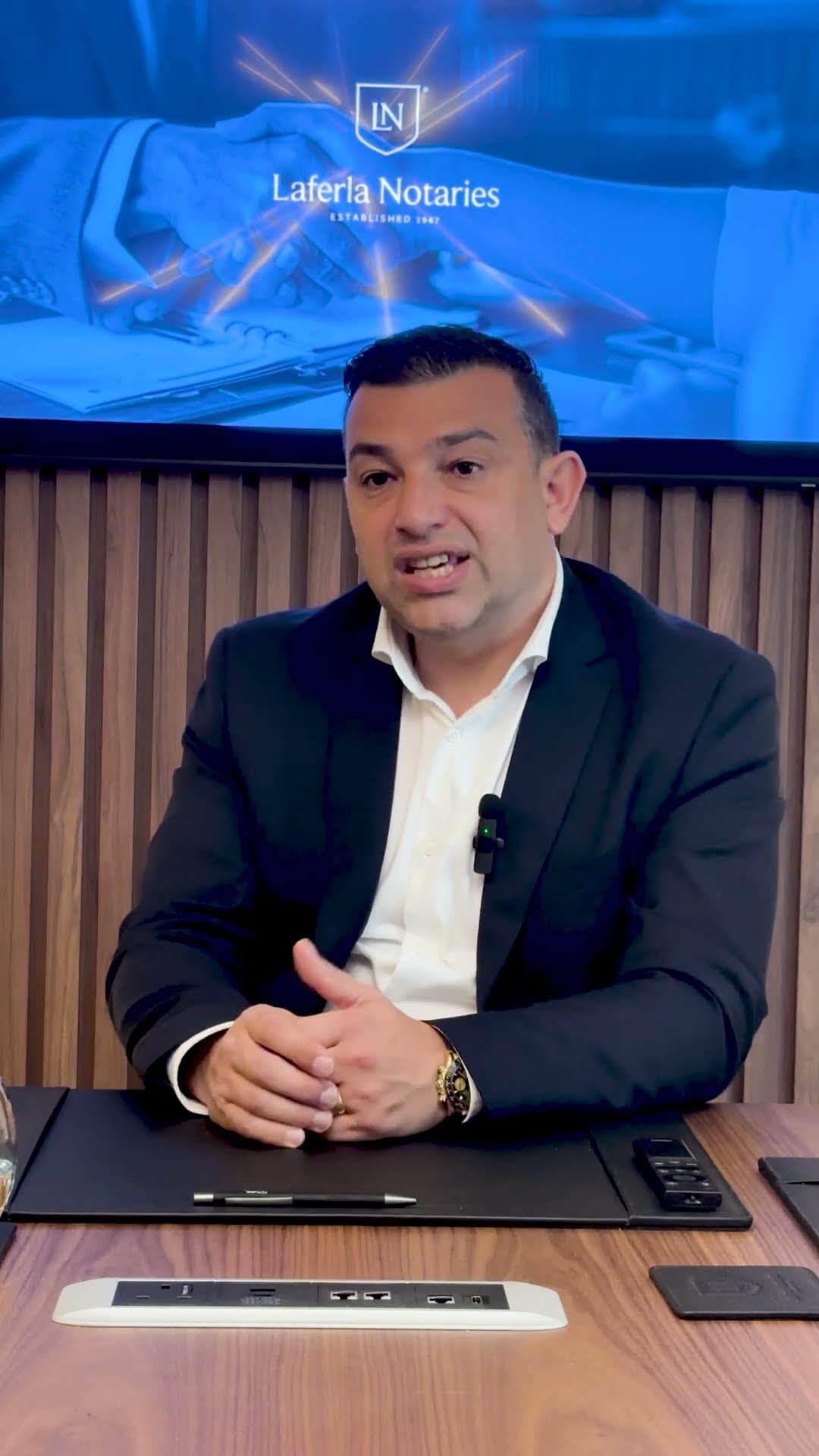 Yitaku Asks
Who checks a property's permits when you buy in Malta?
Dr. Michael Laferla · Notary
Procedures